
Marketable production is not matching the crop, facility, or season's potential.
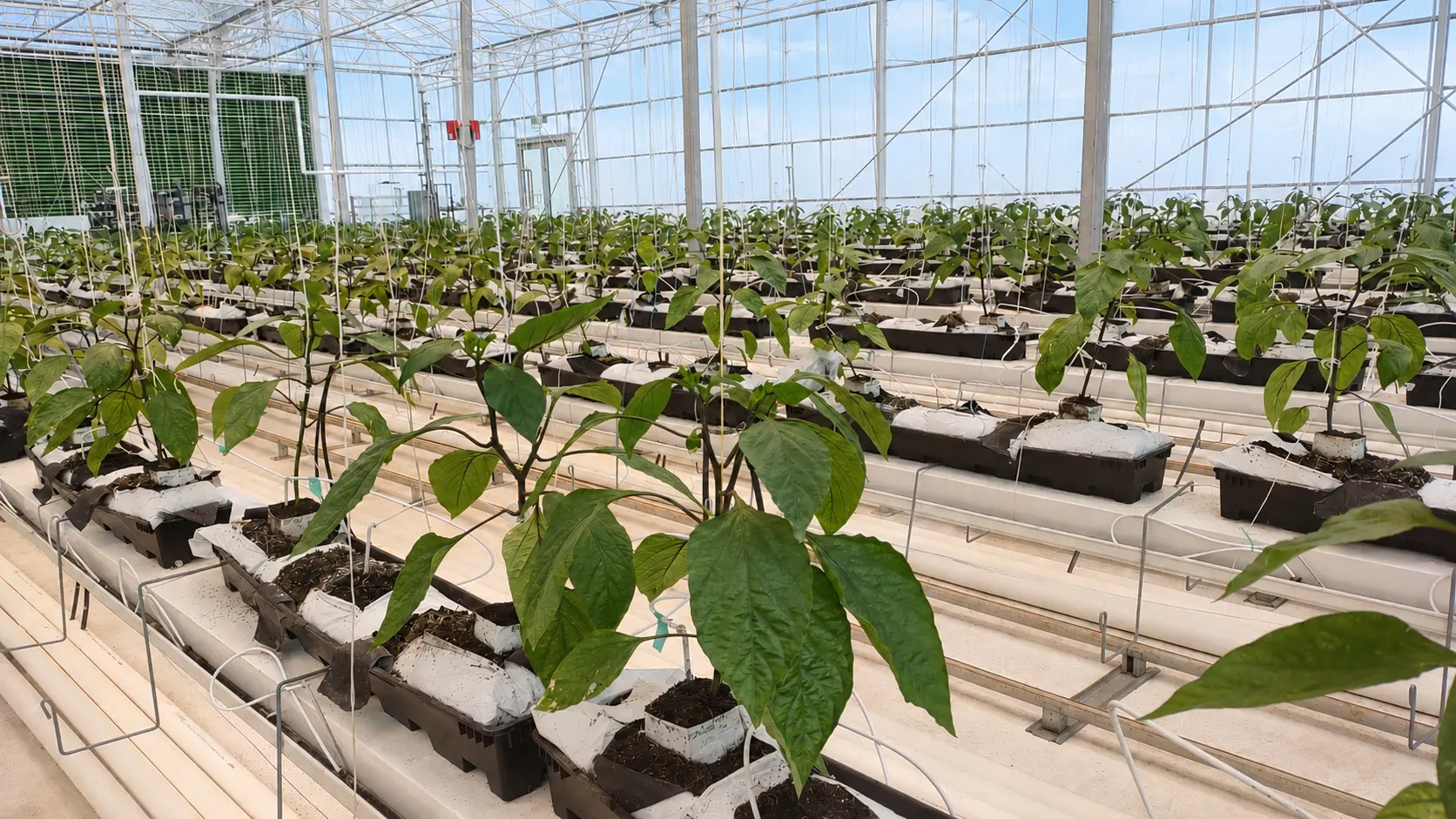
AGS ServiceCrop diagnosis & optimization
Crop Performance Optimization
When yield, quality, or consistency falls short, AGS helps identify the most likely constraints and prioritize practical changes.
Talk to AGSA Good Fit When
You know crop performance can be better, but the next move is not obvious.
Fruit size, quality, crop balance, or plant-to-plant consistency is creating uncertainty.
Climate, irrigation, nutrients, root-zone conditions, light, or crop load may be interacting.
The Problem
Crop performance is below expectations, but the limiting factor is not always obvious.
Uneven growth, lower-than-expected yield, inconsistent quality, and physiological disorders rarely come from one cause. Climate, irrigation, nutrition, root-zone conditions, crop load, and day-to-day management often interact, so treating symptoms in isolation may not solve the underlying problem.
Why It Matters
When the true constraint is missed, marketable yield, crop quality, input efficiency, and labour efficiency can all suffer across the crop cycle. At commercial scale, even small performance gaps can become important production and financial losses.
How AGS Can Help
Find the likely constraint and focus improvement efforts where they matter most.
AGS reviews crop performance in the context of the whole production system. We combine crop observations with available climate, irrigation, nutrient, root-zone, and production records to identify likely constraints and practical opportunities for improvement. The focus is on clear priorities that can be tested, monitored, and adjusted within the realities of your operation.
Typical Deliverables
Depending on the project scope, deliverables may include:
- Greenhouse production assessment
- Crop performance evaluation
- Identification of likely production constraints
- Priority action plan
- Technical summary report
- Follow-up consultation and monitoring recommendations
How a Crop Performance Project Works
Diagnose first. Change what matters. Then monitor the response.
The scope can be a focused diagnostic review or a deeper production assessment, depending on the crop problem and the information already available.
Frame the performance gap
Define what is underperforming, when it started, and which production outcomes matter most.
Review the evidence
Combine crop observations with relevant climate, irrigation, nutrient, root-zone, and harvest information.
Prioritize likely constraints
Separate high-value next actions from changes that are unlikely to address the underlying problem.
Monitor the response
Track the indicators that show whether the recommended change is improving crop performance.
Production Context
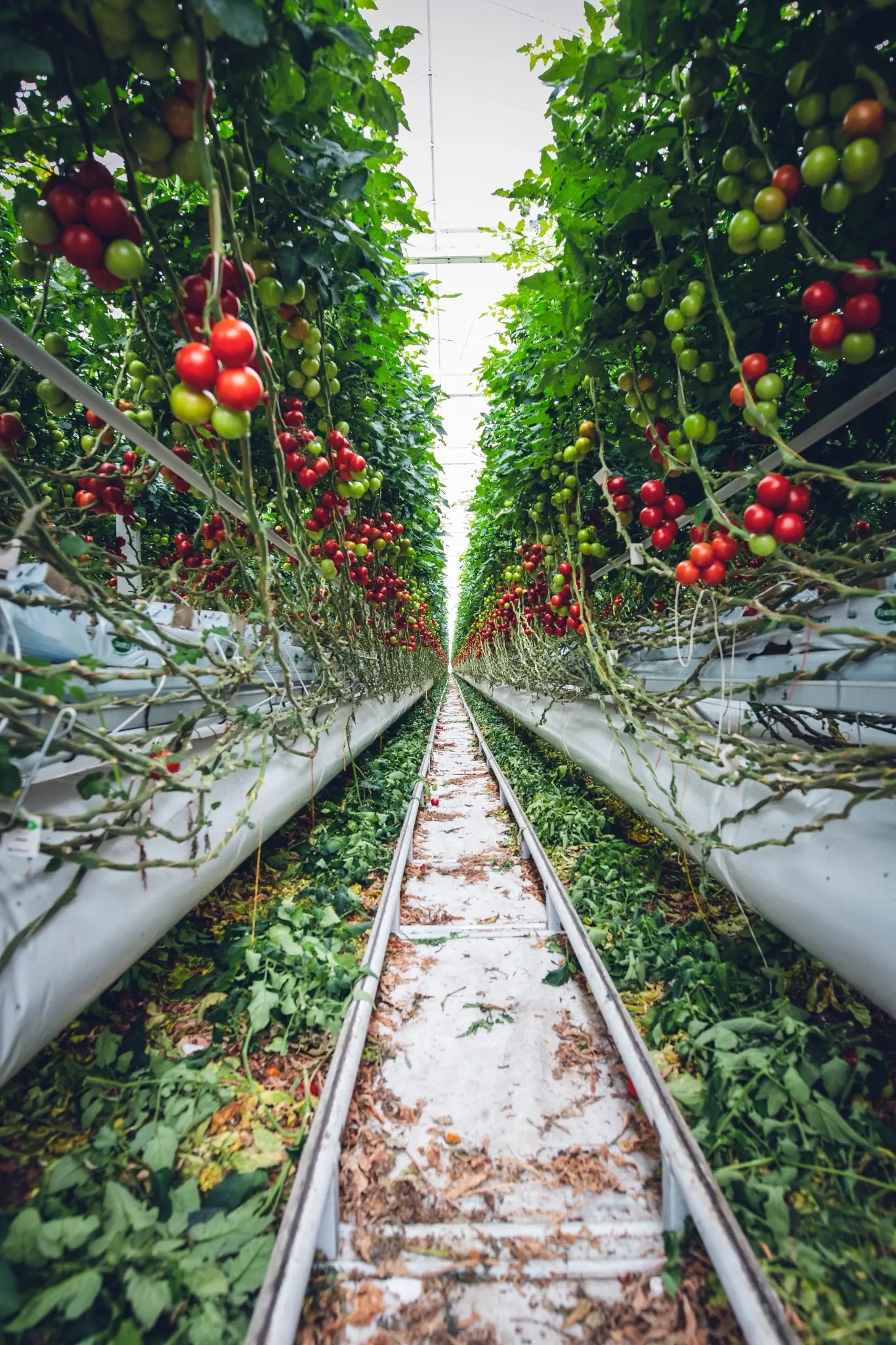
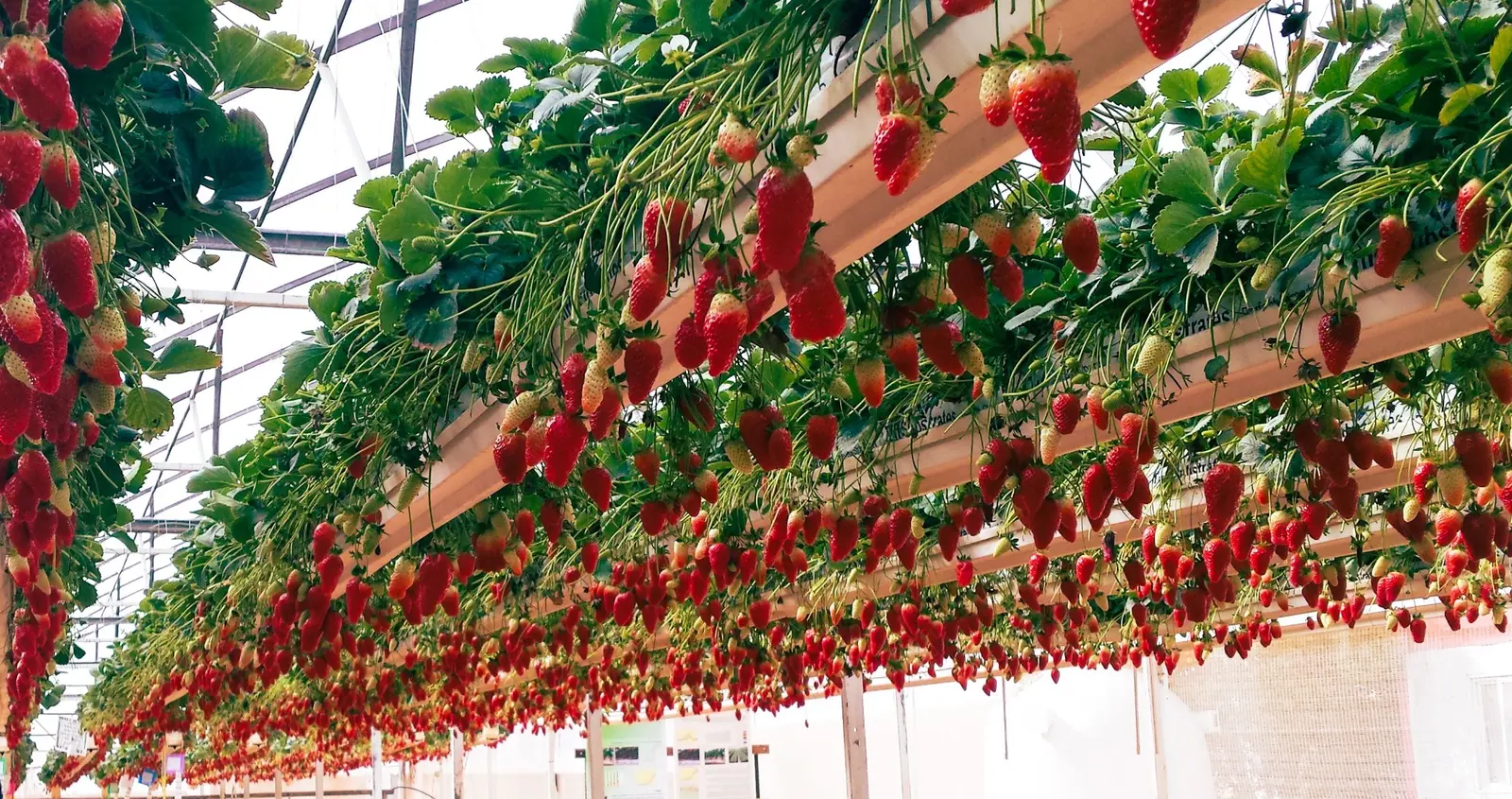
Crop performance is read across the whole plant and production cycle.
Fruit load, plant balance, uniformity, crop development, and visible stress patterns all help frame the right questions before changes are recommended.
What AGS Evaluates
Read crop performance from plant development to marketable production.
A useful crop diagnosis combines what the plant looks like with measurable information from the canopy, root zone, production records, and harvest. The exact measurements depend on the question and crop stage.
Growth & crop balance
Plant elongation, stem development, internode spacing, crop load, uniformity, and visible growth patterns.
Canopy & physiology
Canopy development, leaf area, light interception, photosynthetic performance, and visible stress responses when relevant.
Flowering & fruit set
Flowering timing, reproductive development, fruit set, and changes that may signal an environmental or crop-balance issue.
Yield & marketability
Fruit number, fruit weight, yield per plant or area, marketable yield, and the distribution of production through the crop cycle.
Fruit quality
Fruit size, uniformity, quality categories, visible defects, and other measurements linked to marketable performance.
Nutrition & root-zone context
Tissue, solution, EC, pH, irrigation, drainage, and root-zone information used to interpret crop symptoms in context.
Common Questions
Questions clients often ask before starting.
These answers are general guidance. The right recommendation depends on the crop, facility, data available, and the decision you need to make.
What can cause a greenhouse crop to underperform even when climate setpoints look normal?
Crop performance is shaped by interacting factors such as irrigation timing, nutrient availability, root-zone conditions, crop load, light, humidity, temperature, and day-to-day management. A diagnostic review looks for patterns across these factors rather than assuming one cause.
What crop measurements are useful for diagnosing performance?
Useful measurements can include growth rate, stem development, flowering, fruit set, canopy development, yield, marketable yield, fruit size and quality, and selected physiological or nutrient measurements. The best set depends on the decision that needs to be made.
Can AGS help with inconsistent fruit size or marketable yield?
Yes. AGS can review crop development, fruit-load patterns, environmental and irrigation records, nutrient information, and harvest data to identify likely constraints and prioritize practical next steps.
How do you separate irrigation, nutrition, climate, and crop-balance problems?
The process starts by combining crop observations with available production data and looking for timing, spatial, and treatment patterns. When the evidence is not strong enough, a focused monitoring plan or applied trial may be the better next step.
When does a production problem need an applied trial?
A diagnostic review is often enough when the likely constraint is visible in existing records. A trial becomes more useful when two or more management options need to be compared under controlled, repeatable conditions.
Who This Service Is For
Support matched to the decision you need to make.
- Commercial greenhouse growers
- Operations and crop-management teams
- Greenhouse developers troubleshooting a production issue
- Ag-tech companies evaluating crop response
Next Step
Ready to investigate what is limiting crop performance?
Share the crop, symptoms, production concern, or data you already have. A finished diagnostic plan is not required.