
System configuration
Drip, NFT, deep-flow or raft-style, vertical, and other hydroponic configurations considered in relation to crop type, root volume, labour, and operating goals.
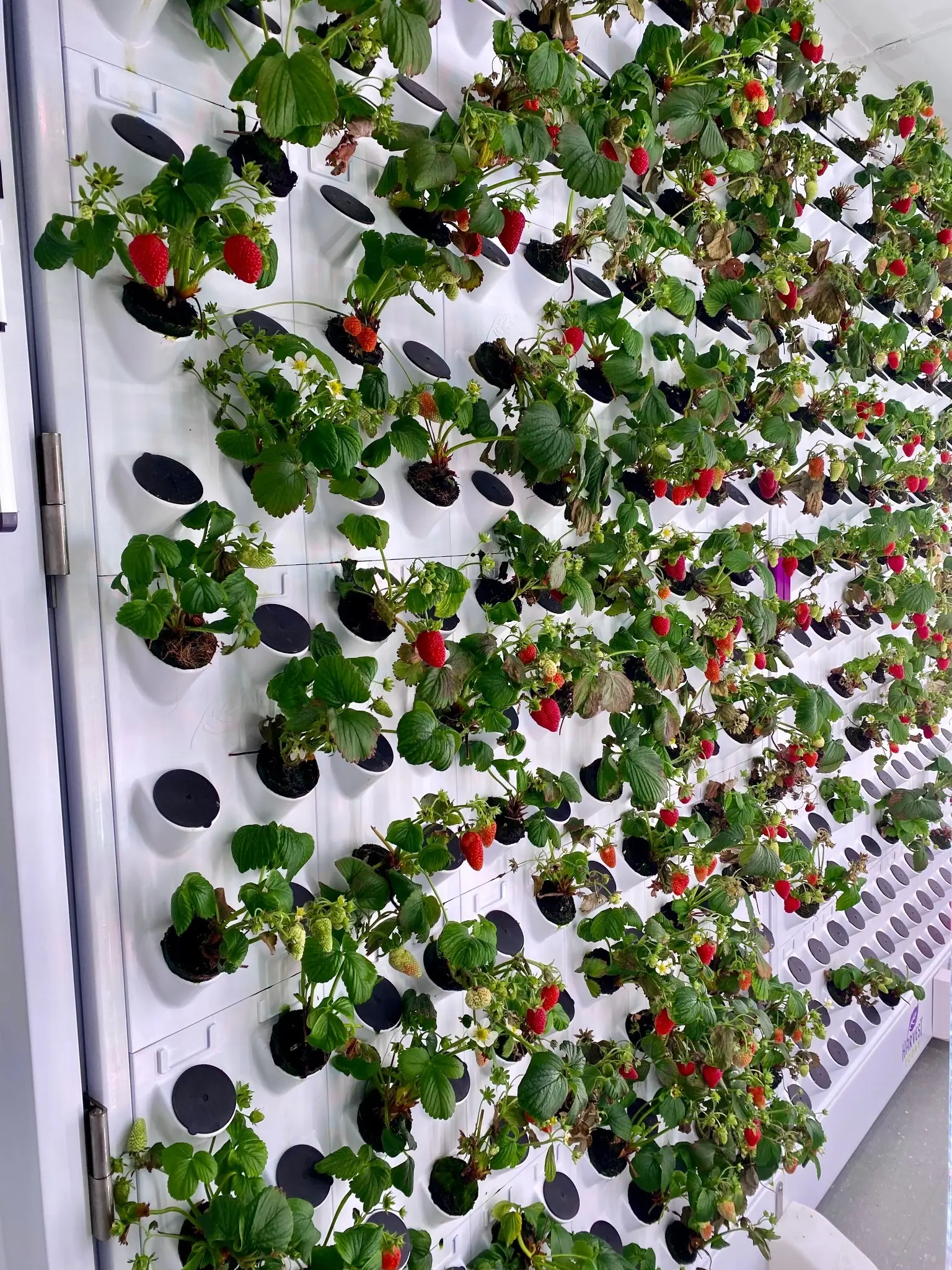
Review water, nutrients, irrigation, roots, and system performance together to improve stability and crop results.
Talk to AGSCommercial hydroponic systems can lose stability when nutrient delivery, irrigation, recirculation, oxygen, water quality, substrate behaviour, or root-zone conditions drift out of balance. Aquaponic systems add another layer because fish production, solids, and biofiltration must also support the plant-production loop.
Because these systems are tightly coupled, a constraint in water quality, oxygen, filtration, nutrient availability, or root-zone conditions can reduce crop performance and make troubleshooting difficult. In aquaponics, plant and aquatic-system needs must also be balanced together.
AGS can review hydroponic system configuration, nutrient delivery, recirculation, water quality, flow, substrates, root-zone trends, crop response, and monitoring. Where fish and plants are integrated, the scope can also include solids management, biofiltration, oxygen, nutrient cycling, and system interactions.
Depending on the project scope, deliverables may include:
Vertical production systems can concentrate plants, irrigation hardware, and management decisions into a small footprint. AGS reviews the practical interaction between the crop, root zone, water delivery, and system configuration.
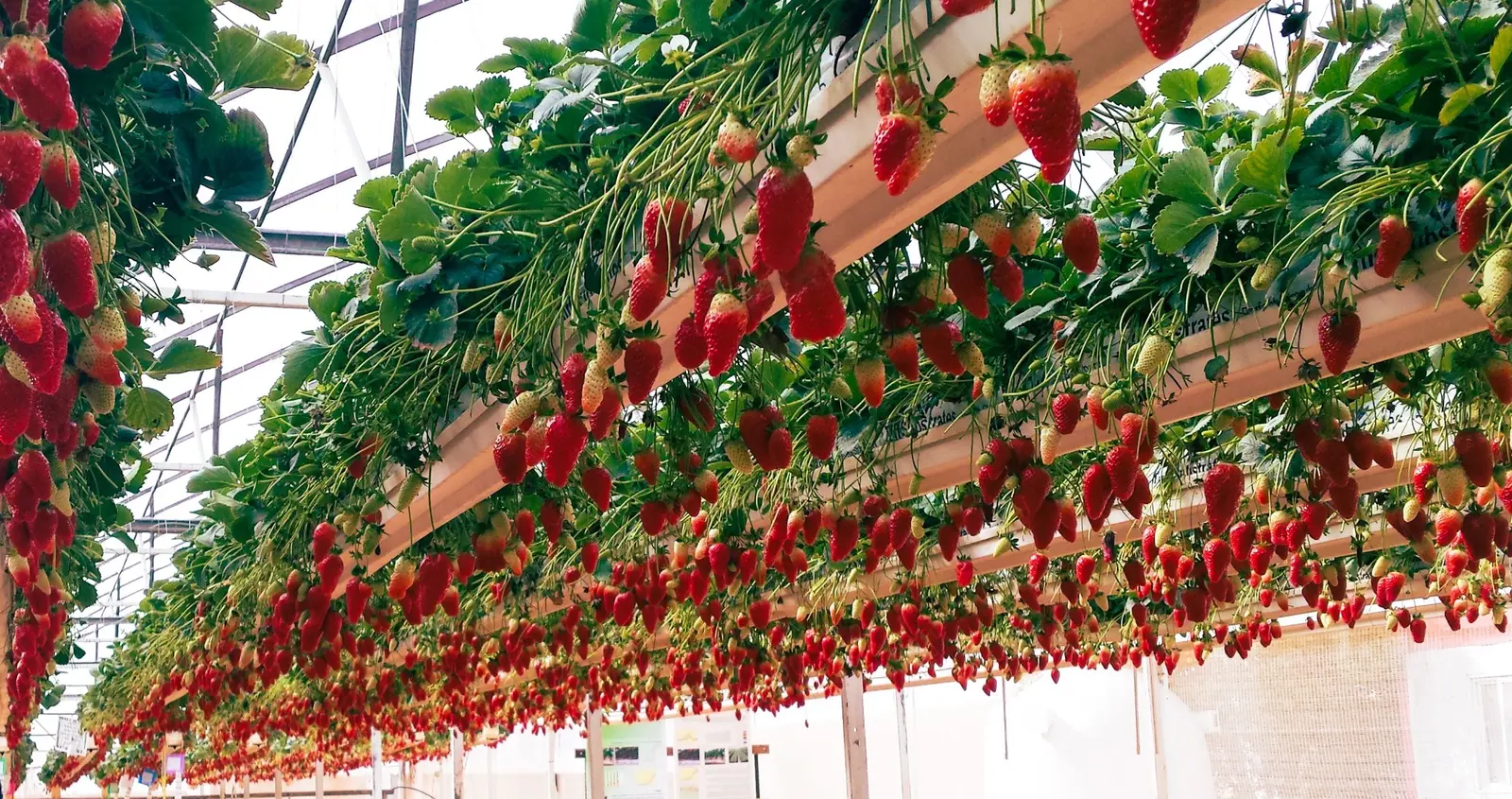
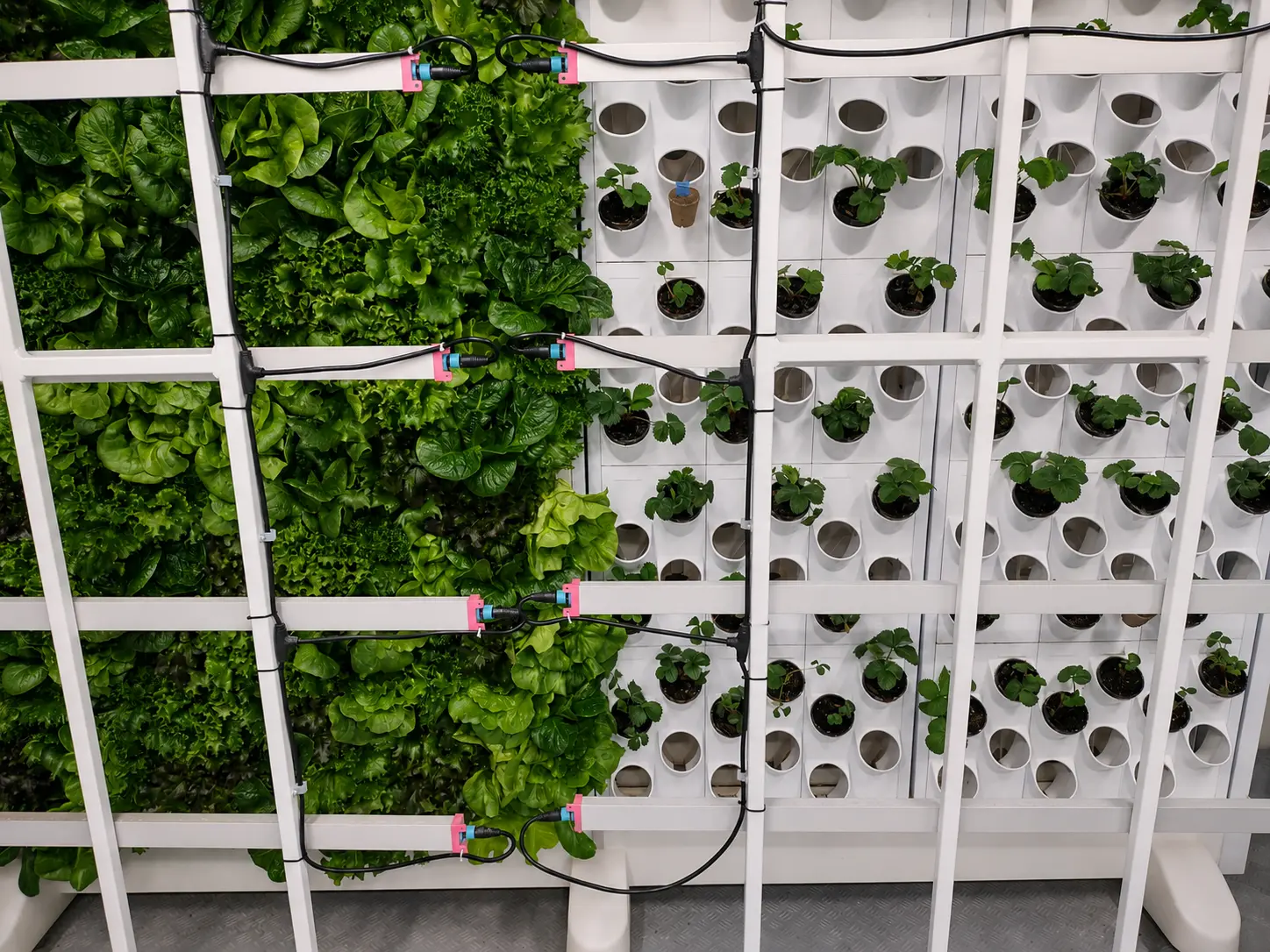
Hydroponics is the primary focus of this service. AGS can review system configuration, nutrient delivery, recirculation, water quality, flow, substrates, root-zone conditions, crop response, and monitoring. Aquaponic support is available where fish, biofiltration, solids, and plant production are integrated.
Drip, NFT, deep-flow or raft-style, vertical, and other hydroponic configurations considered in relation to crop type, root volume, labour, and operating goals.
Mixing, injection, feed strategy, return solution, recirculation, monitoring points, and the interaction between nutrient management and system operation.
Rockwool, coir, engineered substrates, root-zone moisture, oxygen, EC, pH, drainage, and the way media properties influence water and nutrient availability.
Water movement, distribution, oxygen availability, clogging or flow interruptions, and operational weak points that can quickly affect roots and crop performance.
Source water, pH, EC, dissolved oxygen or other relevant parameters, sensor information, sampling locations, and practical monitoring plans.
Where aquaponics is part of the project, AGS can also consider fish production, solids management, biofiltration, nutrient cycling, and plant-system interactions.
These answers are general guidance. The right recommendation depends on the crop, facility, data available, and the decision you need to make.
There is no single best system. The choice depends on crop type and root volume, production scale, labour, water and nutrient strategy, disease-management needs, facility layout, reliability requirements, and available capital.
Common monitoring areas include feed and return EC and pH, water quality, nutrient solution temperature, flow, root-zone conditions, irrigation performance, crop response, and any parameter that can reveal accumulation or instability before symptoms become severe.
Root performance can be affected by oxygen, temperature, irrigation frequency, salinity, water quality, pathogens, substrate conditions, flow, and nutrient availability. A correct recipe does not guarantee that the root zone is receiving the intended conditions.
Yes. Vertical systems can be reviewed for irrigation uniformity, flow, crop access, lighting, root-zone conditions, labour, monitoring, and whether the configuration fits the crop and production objective.
Aquaponics is a secondary specialization within this service. When fish and plant production are integrated, the review expands to biofiltration, solids, dissolved oxygen, nutrient cycling, and the trade-offs between aquatic and crop requirements.
Share the question, system change, or project you are considering. A finished scope is not required.