
PPFD, DLI & photoperiod
Light intensity at crop level, daily light delivery, operating hours, and whether the lighting schedule matches crop and seasonal needs.
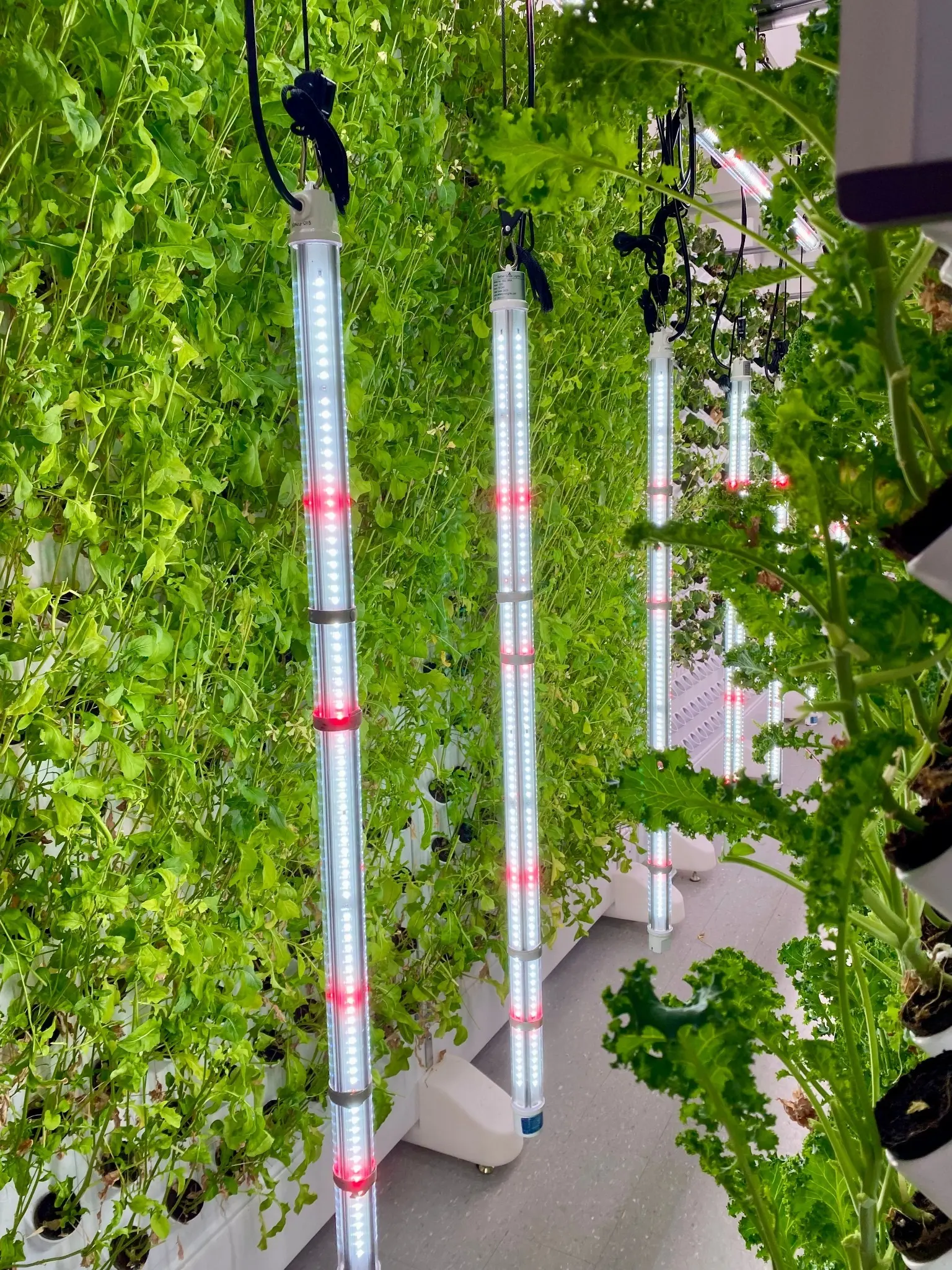
Compare crop response, light delivery, energy use, and operating goals before committing to a lighting investment.
Talk to AGSSupplemental lighting can improve production, but the best option depends on crop response, greenhouse layout, light distribution, energy use, operating hours, maintenance, existing infrastructure, and production goals. A technology that performs well in one facility may not be the right fit in another.
Lighting affects both capital investment and ongoing operating cost. A mismatched fixture, intensity, photoperiod, or control strategy can increase electricity use without delivering enough additional yield, quality, or production value to justify the cost.
Whether you are comparing new fixtures, reviewing an existing installation, or planning a trial before full-scale adoption, AGS helps organize the decision around practical operating factors. We assess available crop and lighting information, identify data gaps, compare options, and recommend the most useful next step.
Depending on the project scope, deliverables may include:
Controlled-environment trials can help compare crop development under defined lighting conditions before larger-scale investment or adoption.
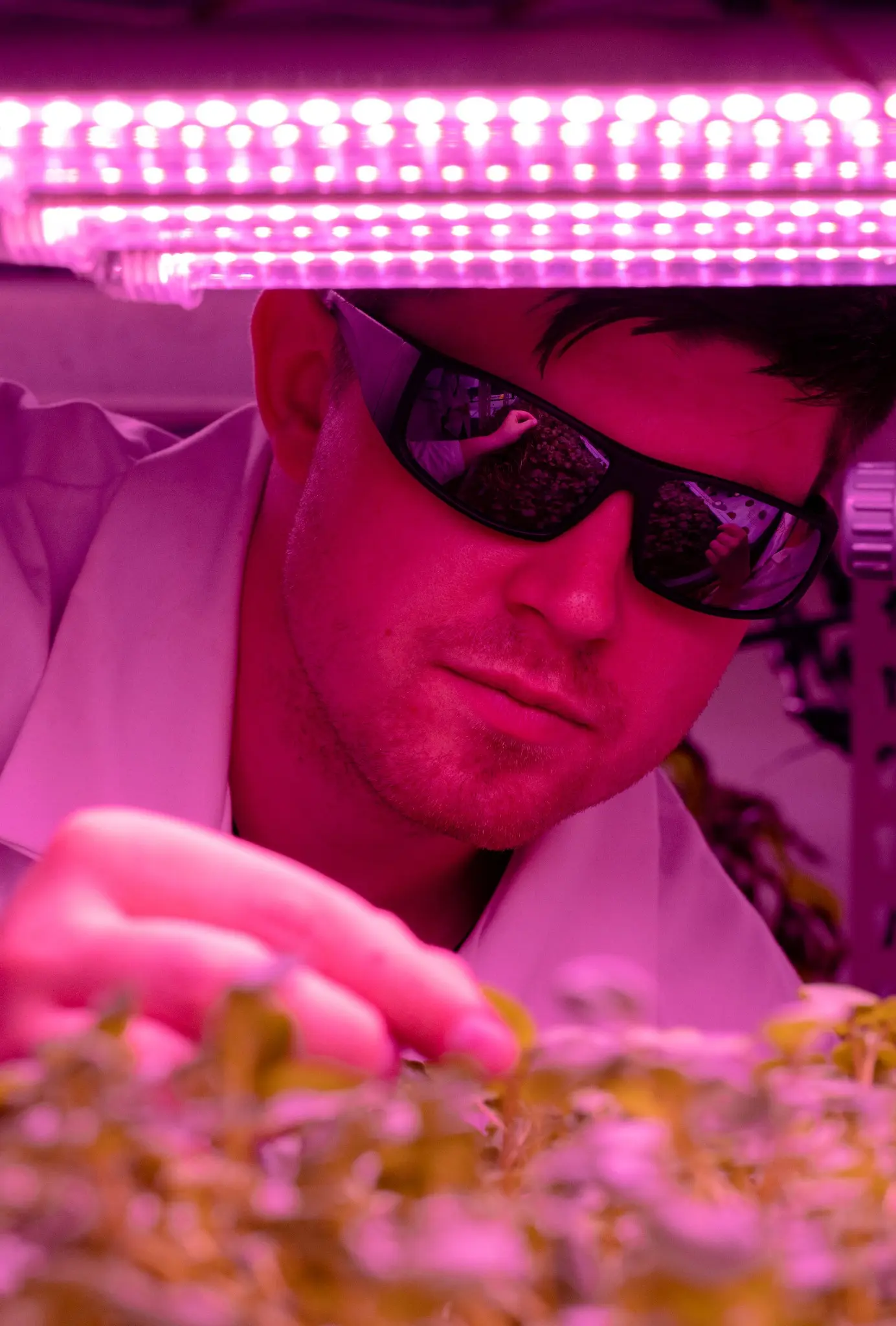
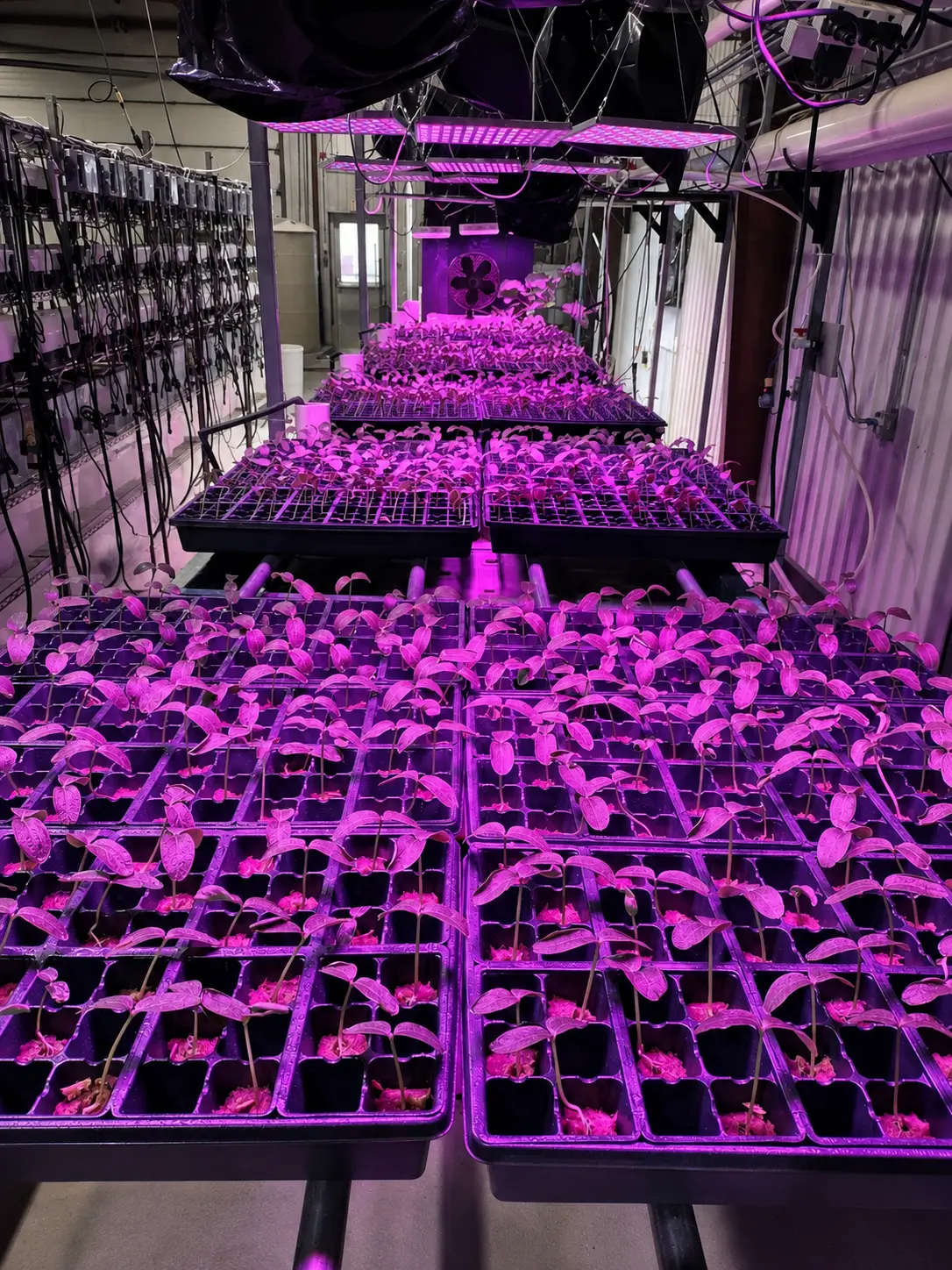
Lighting should be assessed as a connected system: how much useful light reaches the crop, how the crop responds, what the system consumes, and whether the production benefit fits the operating goal.
Light intensity at crop level, daily light delivery, operating hours, and whether the lighting schedule matches crop and seasonal needs.
Spatial variation across the crop, fixture layout, canopy-level measurements, and areas that may be over- or under-lit.
Spectral characteristics considered alongside crop morphology, development, and the production objective rather than as a stand-alone specification.
Canopy development, light interception, photosynthetic response, plant balance, and other crop measurements when the project requires deeper evaluation.
Marketable yield, fruit size or quality, crop uniformity, and production timing used to determine whether additional light creates meaningful crop value.
Fixture power, operating hours, energy use, capital cost, maintenance, existing infrastructure, and the production gain required to justify a change.
These answers are general guidance. The right recommendation depends on the crop, facility, data available, and the decision you need to make.
PPFD describes the rate of photosynthetically active photons reaching a surface at a given moment. DLI describes the total amount delivered over the day, so it reflects both intensity and photoperiod.
No. Crop response depends on crop stage, existing sunlight, temperature, CO₂, irrigation, nutrition, canopy condition, photoperiod, and diminishing biological response. More light can also increase energy cost without creating proportional marketable value.
The review should consider current and target light levels, distribution, seasonal DLI, fixture layout, electrical and structural constraints, control strategy, expected crop response, operating hours, energy cost, and how success will be measured.
Compare them at the crop level using consistent light targets and measurements, then evaluate crop performance, uniformity, energy consumption, operating requirements, and capital cost under the same production objective.
A trial is useful when the expected crop response is uncertain, technologies differ substantially, the investment is large, or the operation needs local evidence before changing a full greenhouse compartment or facility.
Share the question, system change, or project you are considering. A finished scope is not required.